A Quiet Urban Food Archive

The Last Station Soba Before standing soba bars vanish from stations, we want to record their quiet time.

Ten minutes, one bowl, then back to the rush.
The Last Station Soba is a small film and photo archive project about Japanese standing soba bars— on station platforms, in narrow side streets, and in the corners of underground passages. Before this everyday culture disappears, we want to capture its steam, sounds, and silence, and share it with the world through Kickstarter.

This is not a flashy food show.
It is a quiet record of how city people borrowed a few minutes of peace, standing at a counter with a bowl of hot noodles.

Quiet Station Food Culture
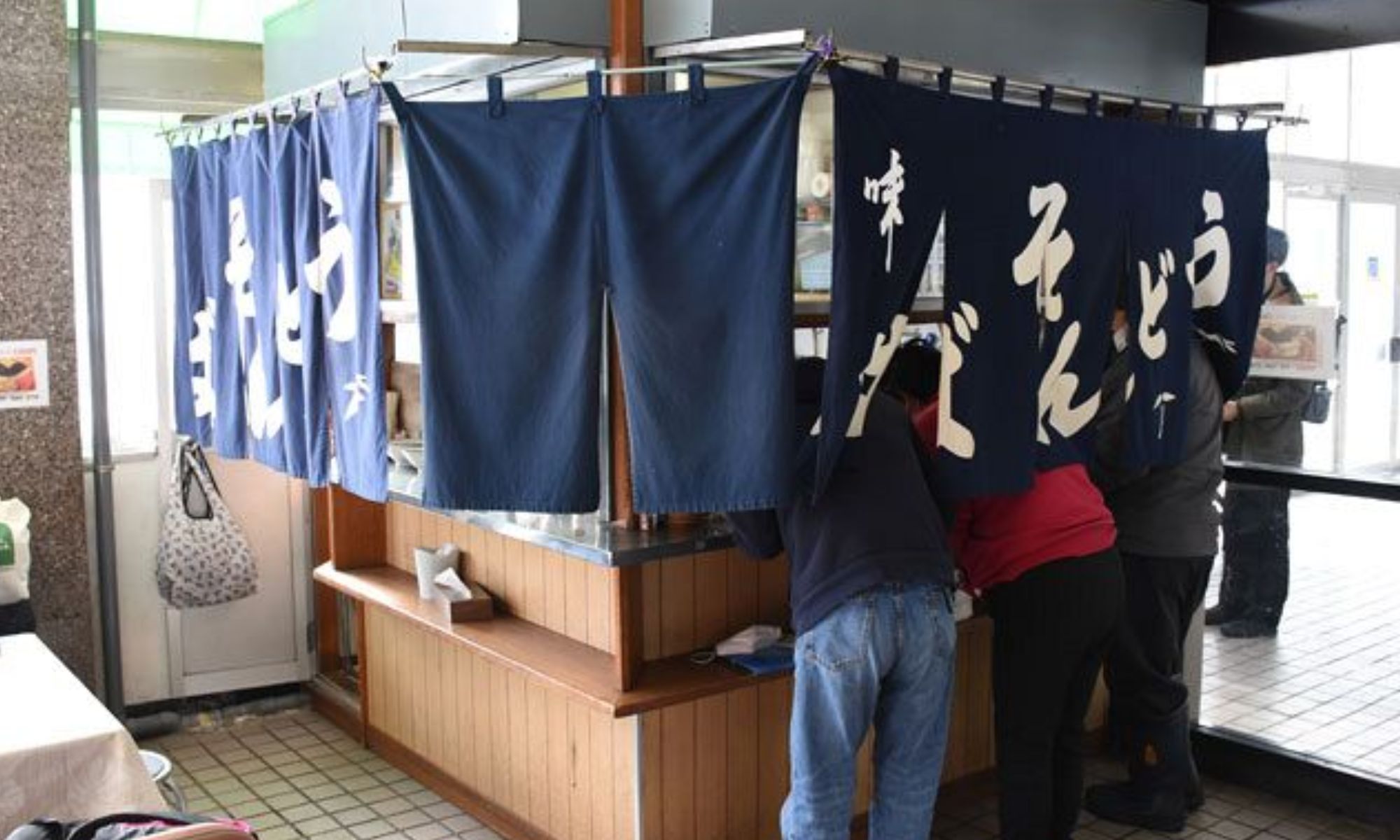
Small standing noodle bar counter at a Japanese station
What we want to archive

Steam, broth, footsteps, ticket gates, and a silent counter.

Platform soba, back-alley counters, underground corridors A small luxury for one person at a time

More than “fast & cheap”: a disappearing urban landscape.

For many people, standing soba is just a quick, cheap meal. But if you slow down and look carefully, it is something else: early-morning platform steam, ticket machines beeping, office workers quietly lining up with almost no conversation.

It is a small “room of silence” built into the infrastructure of a big city.

Once common on station platforms, now slowly being removed
Almost no equivalent in rural Japan—an urban-only food culture
A 5–10 minute ritual between trains, before meetings, after night shifts
Too ordinary and too fast to have been documented properly
Platform standing soba
STATION PLATFORM
Early in the morning, before the rush, steam rises in the cold air of the platform. The sound of boiling broth mixes with train announcements and door chimes.
  • • Five minutes between trains, enough for one bowl
  • • Breakfast that begins and ends inside the station
  • • One of the first areas where closures are accelerating
Back streets and building gaps
BACK STREET
Tiny counters hidden in alleys and between buildings— the kind of places where two or three people already make the shop feel “full”.
  • • Slightly dim interiors, even in the middle of the day
  • • No music, just chopsticks and bowls
  • • Menus known mainly by locals and regulars
“In a hurry” and “calm” at the same time
QUIET URBAN TIME
Nobody stays long, and there is almost no small talk. People focus on eating, then leave. Standing soba bars are where hurry and calm briefly overlap.
  • • A few minutes without checking your phone
  • • A pause between crowded trains and crowded offices
  • • A form of urban self-care disguised as fast food

Who we are making this archive for.

This project is not about ranking “the best bowls” or chasing Michelin stars. It is for people who feel that everyday places deserve to be remembered before they quietly disappear.

Fans of trains and urban infrastructure
CITY & RAIL
If you love maps, platforms, ticket gates, and the architecture of movement, standing soba is part of that ecosystem.
  • • Interested in how stations shape daily life
  • • Remember specific platforms by the smell of broth
  • • Want to see more than “tourist Japan”
People who enjoy eating alone, quietly
QUIET EATERS
If group dinners and loud restaurants are not your style, standing at a small counter with a simple bowl might feel familiar.
  • • Prefer one-person or two-person meals
  • • Feel safe in places where no one expects conversation
  • • See food as a private ritual, not a social performance
Supporters of cultural preservation
CULTURAL BACKERS
If you feel that everyday cultural details should be archived, not only the famous temples and castles, this project is for you.
  • • Believe “ordinary” places also deserve good documentation
  • • Want future generations to see how people really lived and ate
  • • Like supporting slow, thoughtful documentary projects

What we will record, and how.

In the first phase of The Last Station Soba, we will create a small but dense archive combining film, sound, photography, and short texts.

1. 4K film sequences
FILM
We plan to visit a limited number of carefully chosen standing soba bars in and around Tokyo and other major cities. We will film from outside to inside: shop front, ticket machine, counter, the short time of eating, and leaving.
  • • Platform shops, street-level counters, underground spots
  • • Morning, midday, and night atmospheres
  • • Minimal narration: the space speaks for itself
2. Environmental sound sketches
SOUND
We will record high-quality audio: boiling broth, ladles, chopsticks, ticket machines, door chimes, station announcements leaking through the door.
  • • Short ambient tracks focusing on specific sound layers
  • • For listening with headphones, like tiny sound postcards
  • • Selected tracks will be available to backers as downloads
3. Photo + micro-essay book
PHOTO & TEXT
Each shop will be documented with still photographs and a short “micro-essay”: a few paragraphs describing its location, mood, and role in the city.
  • • A digital mini-photo book in PDF format
  • • English as the main language, with key Japanese terms kept
  • • Structured so you can feel each shop as a small scene
4. Online access and future connections
FUTURE
Selected footage will be shared online, and the archive will connect with other quiet-culture projects such as mixed-gender hot springs and Japanese sake.
  • • A dedicated page on tachiguisoba.com
  • • Short films for YouTube and other platforms
  • • Potential expansion to other cities and food formats
Goal of Phase 1: to create a precise, atmospheric record of a small number of representative places, instead of a rushed checklist of many shops.

Funding goal and how we plan to use it.

For the first phase of The Last Station Soba, we are preparing a Kickstarter target around US$10,000.

Target & priorities
GOAL
Our priority is not to cover as many shops as possible, but to do slow, careful work in a realistic scope. A goal of US$10,000 lets us travel modestly, shoot and edit properly, and finish the archive without burnout.
  • • Small crew (1–2 people) instead of a large production team
  • • Enough days for filming and location sound, not just quick stops
  • • Time for editing, grading, and layout of the digital book
Planned Kickstarter funding goal
US$10,000
Approx. ¥1.5M (subject to exchange rate changes)

• Travel & on-site production in selected cities
• Filming, editing, color work, and sound design
• Photography and layout for the digital photo book
• English text writing & translation support
• Platform fees, taxes, and contingency reserve
Use of funds (summary)
• 40–50%: shooting & post-production
• 20–25%: travel & accommodation
• 15–20%: book design, writing, translation
• 10–15%: Kickstarter fees, payment processing, tax, buffer

This site is a pre-launch information page. Final numbers and timelines will be confirmed on the official Kickstarter campaign.

What you receive when you support this archive.

We keep rewards focused, digital-first, and aligned with the quiet atmosphere of this project. Each tier is designed so you can feel the archive from wherever you are in the world.

🎁 Reward tiers (planned for Kickstarter)

$15 — Digital Thank-You Postcard

A beautifully designed digital postcard featuring photography from the archive. Your name will be listed on the supporters' page as a backer of The Last Station Soba.

$35 — Early Access to the Full Digital Book

Receive the complete digital photo + micro-essay book documenting Japan’s standing-soba culture, with carefully edited images and English text. Includes the $15 tier.

$75 — Supporter Edition (Extended PDF + Bonus Gallery)

The extended edition of the digital book with additional photos, behind-the-scenes notes, and a larger gallery of selected shops and moments. Includes all previous rewards.

$150 — Collector’s Pack (Printable Posters)

High-resolution printable poster files (A3 size) featuring iconic scenes from the archive— platform steam, alleyway counters, and quiet bowls between trains. Includes all previous rewards.

$300 — Executive Producer Credit

Your name will appear as an Executive Producer on the project website and in the digital book credits. You will also receive all digital rewards, early previews, and selected behind-the-scenes updates as the archive is being made.

Frequently asked questions.

Will there be physical rewards?
We are still deciding. Our main focus is on digital rewards such as the film, ambient sound tracks, and the photo book. If we offer physical items (like prints), they will be limited and carefully chosen to avoid unnecessary waste and shipping impact.
Will shop owners be involved or disturbed?
We will always ask for permission before filming, avoid peak hours, and do our best not to disturb staff or guests. Shop names will only be shown if owners are comfortable with it.
Is this project mainly for Japanese audiences or international ones?
Both. The Kickstarter page and this LP are in English, but the final archive is meant to be readable for people who love Japan from inside and outside the country. The photo book will use English as the main language, while keeping key Japanese terms and shop names.
How is this related to other “quiet Japan” projects?
The Last Station Soba is part of a broader effort to archive quiet, vanishing experiences in Japan— including mixed-gender hot springs, small sake bars, and other non-touristic spaces. Each project stands alone, but they share the same philosophy: documenting places built for one or two people at a time.
What if standing soba bars disappear completely in the future?
Then this archive becomes even more important. The point of this project is not to “save every shop”, but to leave a precise, human record that proves they once existed and shows how they felt from the inside.

“There used to be a little soba stand right here.”

Maybe, one day, someone will stand on a platform and say that sentence. When that happens, we want there to be more than just memories.

If you have ever been saved by a quick bowl between trains, if you have ever missed a shop that quietly vanished from your routine, this project is for you.

The Last Station Soba is a small attempt to give these in-between places the kind of archive usually reserved for big monuments and famous streets.